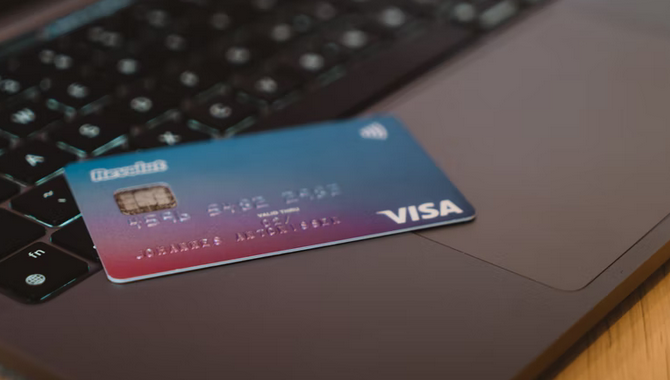
Visa Inc. (NYSE: V) disclosed recently that it put $600 million in a litigation escrow account set under its retrospective responsibility plan. By providing a payment mechanism for settlements and rulings in specific US litigations, the plan, established when Visa’s stock was first listed for buying and selling on a stock exchange, was intended to protect the firm and its Class A and Class C stockholders from losses.
Visa deposits money to escrow account based on a retrospective accountability plan
The company’s US retrospective accountability program stipulates that if the business deposits money in the US litigations escrow account, the worth of its class B stocks, which are held primarily by US financial institutions and their affiliates, is diluted. Diminishing the rate at which shares of Class B common shares are converted into Class A ordinary shares results in dilution.
By lowering the conversion ratio of class B shares, the action of putting money in the litigations escrow account is similar to the repurchase of Visa’s Class A ordinary stock. The number of shares of the convertible Class A common shares will decrease by the same number as the escrow deposit as a result. The deposit sum is probably advantageous to Visa’s earnings per share (EPS) because share repurchases are designed to boost a company’s bottom line.
Visa has 1.4-1.5 billion in the litigations escrow account
According to arguments made by senior market analyst David Koning of famous financial services firm Baird, the most recent initiative is expected to help Visa in two ways. First off, it helps raise the amount in Visa’s litigations escrow account, which shields the business and its shareholders from hefty settlement payments in U.S. litigation proceedings.
Baird indicates that based on the most recent contribution, Visa’s deposit to a litigations escrow account is between $1.4 billion and $1.5 billion, a significant rise from the $882 million reported at the end of the six months ending in March 2022. Second, Koning claims that because the most recent transaction led to the buyback of about 3 million shares, Visa’s yearly EPS may benefit by less than one cent.