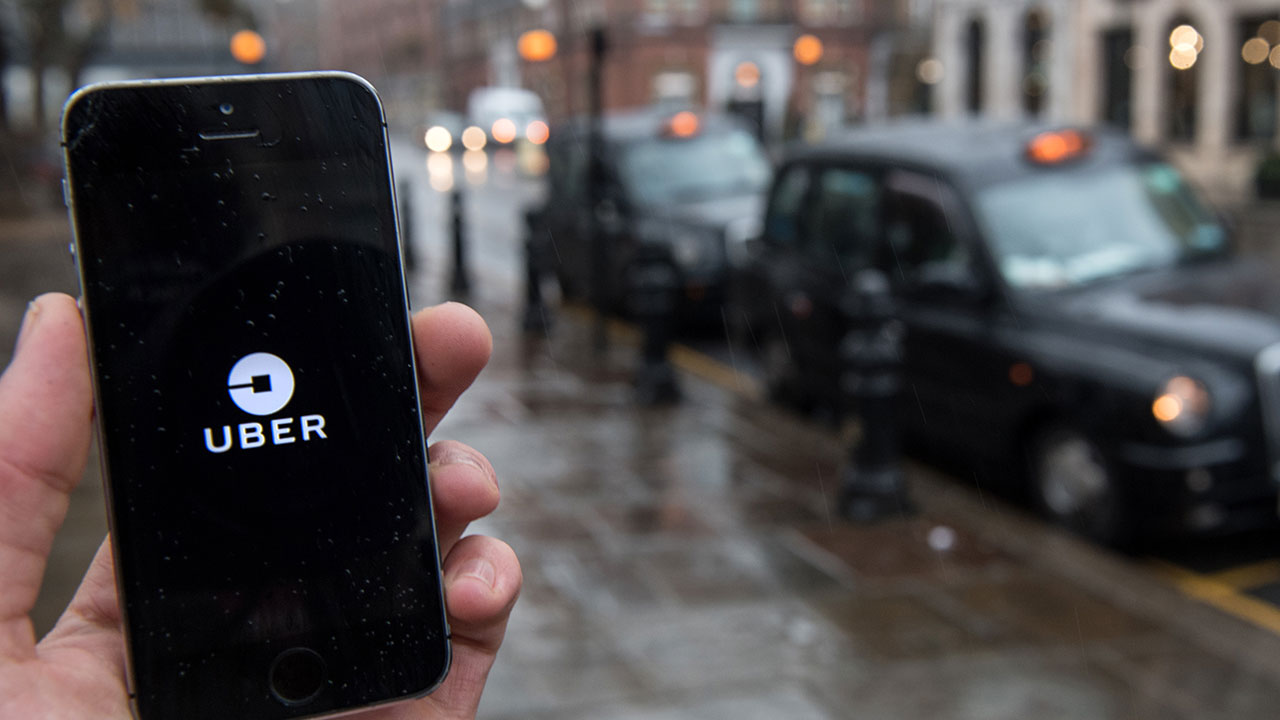
Uber Technologies Inc’s (NYSE: UBER) wholly-owned subsidiary Uber Eats has announced that it will leave the Hong Kong market. The announcement comes five years after the company launched in the city. After a late entry into the food delivery market, Uber Eats could not compete with other companies, including Foodpanda and Deliveroo PLC (OTCMKTS: DROOF), with 51% and 44% market share. In comparison, Uber Eats only had a 5% market share.
Uber Eats did not confirm its reason for leaving Hong Kong. Fortunately, Uber stated that it would focus more on its ride-sharing services in the city. Uber has 216,000 drivers in Hong Kong. This figure accounts for 25% of its global operations.
Uber is popular in Hong Kong
Since Uber entered the Hong Kong market, it has been a hit with residents. People in Hong Kong preferred Ubers to taxis as taxi drivers were rude and refused to take payments other than cash. As a result, the ride-sharing service has faced strong opposition from taxi groups.
Despite its popularity in Hong Kong, it operates in a legal grey area due to the government refusing to legalize the business. However, police only enforce the law regularly. Uber bought HK taxi a local app to build a relationship with taxi drivers and incentivize the government to legalize its operations.
Uber collaborates with Hims & Hers Inc (NYSE: HIMS
Meanwhile, Hims & Hers Health Inc (NYSE: HIMS) has garnered with Uber Eats to enable customers to buy the formers product through the Uber Eats app. The services will be available in Phoenix, Atlanta, San Francisco, Los Angeles, Seattle, Philadelphia, San Antonio, Houston, Miami, Dallas, and Austin. It will soon be available in other cities.
Uber will also sell Hims & Hers products through Postmates, another Uber-owned delivery service.
While this has been a long time since the Uber surveillance scandal, the careers of those involved have never recovered. The group wanted to monitor Uber’s competitors while protecting their officials from being spied on.
They kept track of executives from rival companies and reported their activities to authorities. The group also spied on disgruntled staff and protestors. Their work ended in 2017 when others began to accuse some group members of destroying evidence, wiretapping, and stealing company techniques and secrets.