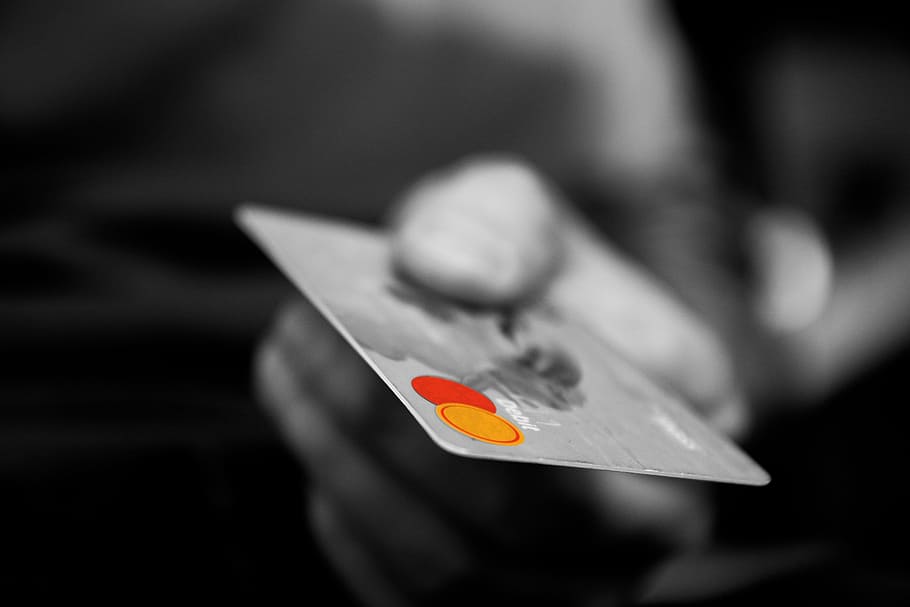
MasterCard Inc. (NYSE:MA) has partnered with identity solutions company Idemia and Singapore-based fintech firm MatchMove. The company is collaborating to test a biometric fingerprint car for authorizing in-store payment transactions across Asia.
MasterCard launching contactless fingerprint embedded card
The companies will offer the card under the name F.CODE Easy and have been embedded with a sensor allowing customers to authorize a payment with a fingerprint instead of a signature or PIN. The card is based on Idemia’s payment card solution, with the fingerprint sensor being powered with energy from payment terminals. According to the companies, the F.CODE Easy card will offer an intuitive and seamless authentication experience that users are fond of from smartphones to smart card form factor. The card also removes users’ need to offer a signature or pin at payment terminals such as reducing touchpoints.
The payments operator has indicated that all biometric details will be stored in a card’s chip instead of a central database. This means that it will improve the safety and security of touchless payments. Mathew Driver, the president of MasterCard Asia Pacific, said that as people move to contactless payment, the biometric card will be a choice for customers, offering enhanced security. He added that with the company’s focus on digital commerce, the solution is an indication of the innovative collaborations MasterCard is cultivating.
MatchMove to roll out a contactless credit card in Q4
MatchMove plans to issue this pilot biometric card in Q4 2020 with an employee of the companies using the cards for transactions and live demos for customers. Ideamia will support the customer onboarding process by providing a full set of services that enable biometric enrolment of the user at home.
MasterCard introduced the fingerprint-embedded credit card in 2017. It carried pilots in South Africa at the time, indicating it would expand it globally at the end of that year. In 2018, Gemalto, which makes SIM card and credit card chips, also followed with the launch of a contactless card.